Add products by adding codes

Add a CSV file
Enter the product codes that you want to add to the cart in bulk (after a comma, with a space or from a new line). Repeating the code many times will add this item as many times as it appears.

Blog

Inductive Sensors in Industrial Automation – How to Select the Right Model for Your Production Requirements?

Inductive Sensors in Industrial Automation – How to Select the Right Model for Your Production Requirements?

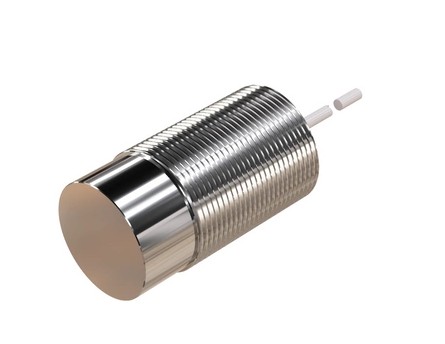
Inductive sensors play a key role in monitoring and controlling production processes. Selecting the right sensor based on operating conditions, the type of components and production-line parameters determines the efficiency, repeatability and stability of the entire system. Not every sensor is suitable for every application, which is why analysing the process characteristics and technological requirements is essential when choosing the right model.
Read more
How Do Inductive Sensors Improve the Precision and Safety of CNC Machines?

How Do Inductive Sensors Improve the Precision and Safety of CNC Machines?

Modern CNC (Computer Numerical Control) machines are at the heart of contemporary manufacturing. Their ability to perform complex operations with micrometre precision depends not only on the quality of their mechanical components or software, but also on sensory systems that monitor every movement and process. One of the key components in this context is the inductive sensor—an inconspicuous device with an enormous impact on the precision and safety of CNC machines.
Read more
All-metal sensors – reliability in the most demanding industrial conditions

All-metal sensors – reliability in the most demanding industrial conditions

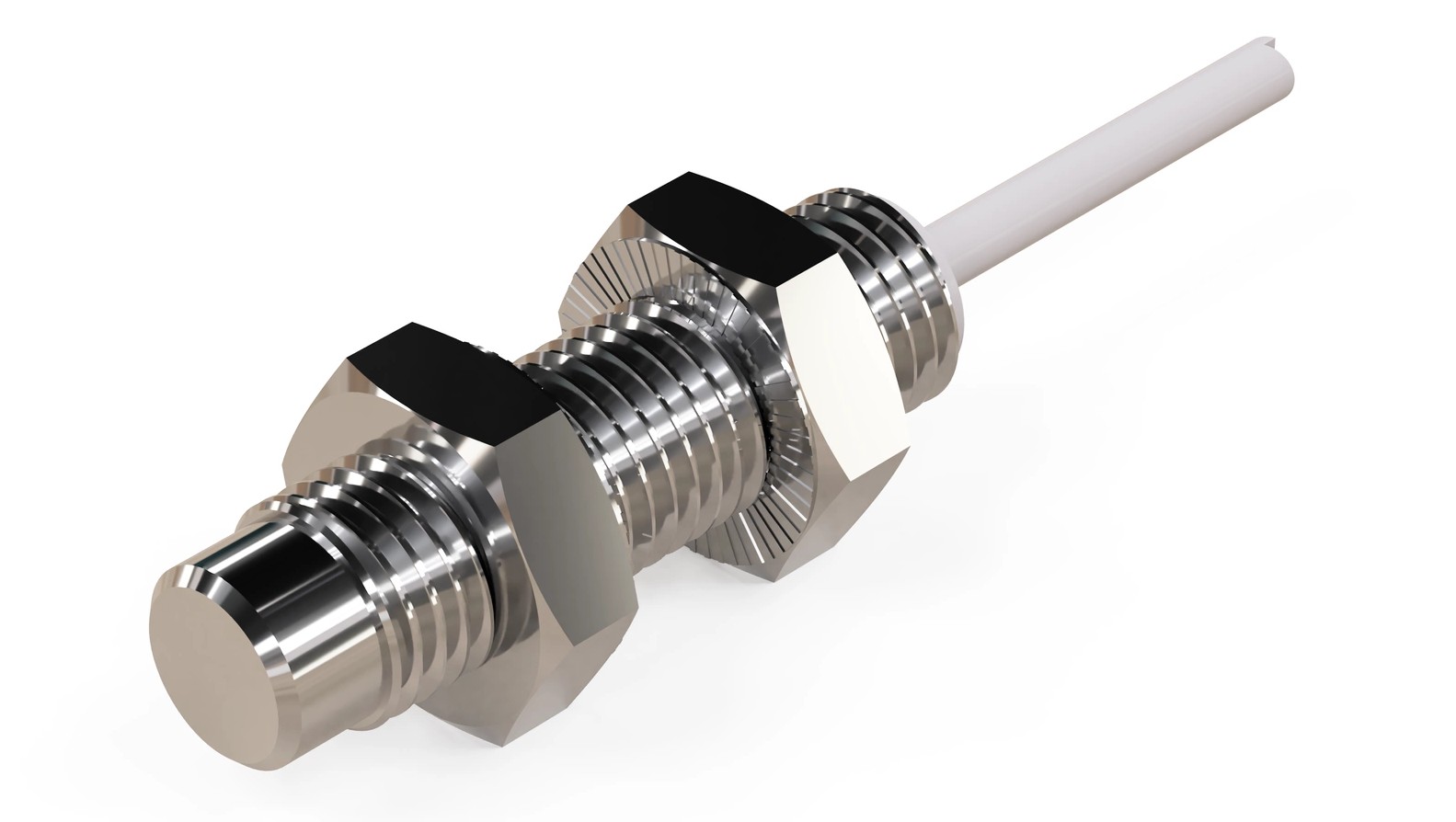
In modern industry, the reliability and durability of industrial automation components are essential for maintaining production continuity. Inductive sensors are among the components that directly affect process stability. In industrial environments characterised by vibration, dust, moisture and high temperatures, conventional plastic sensors may fail. NEXOTEC all-metal sensors provide the solution, combining durability with precise detection.
Read more
Quality of industrial sensors – how does it affect the reliability of production processes?

Quality of industrial sensors – how does it affect the reliability of production processes?

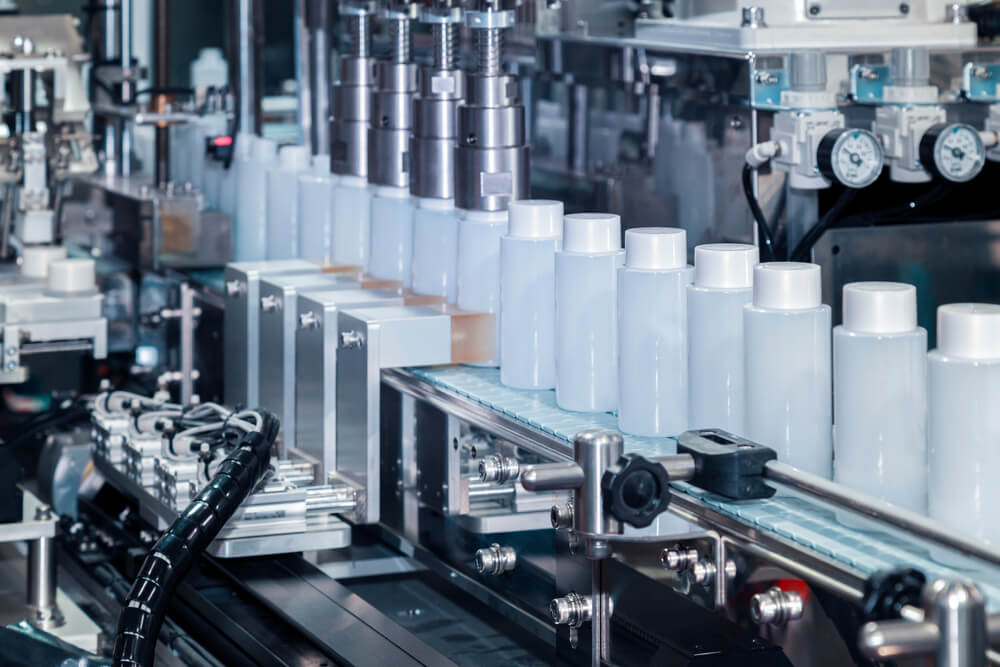
Production processes increasingly rely on precise monitoring and broadly understood automation. Industrial sensors play an indispensable role in this area, providing key information about machine condition, material flow and workplace environment conditions. Selecting the right sensors—particularly highly reliable and durable ones—is essential for the stable, efficient and safe operation of the entire production line.
Read more
Extended-range inductive sensors – when is it worth choosing them?

Extended-range inductive sensors – when is it worth choosing them?

Modern industrial automation constantly strives to maximize efficiency and minimize errors. One of the key elements enabling precise control of production processes are inductive sensors. Although standard models perform well in many applications, there is an increasing need to reach further – literally. In such situations, extended-range inductive sensors prove to be the ideal solution.
Read more
Characteristics of proximity sensors in the context of process automation

Characteristics of proximity sensors in the context of process automation

Modern industrial automation uses advanced, precise, and fast object detection systems that must operate reliably even in difficult and changing environmental conditions. Proximity sensors play a key role in these systems, enabling contactless detection of the presence or approach of objects made of metal, and in some cases also other materials.
Read more
PNP vs NPN – how do inductive sensors differ?

PNP vs NPN – how do inductive sensors differ?

In industrial automation, choosing the right inductive sensor is the foundation of efficiently operating control systems. The most commonly used are PNP and NPN type sensors, which – despite their similar construction – differ fundamentally in how they operate and in their range of applications. Understanding these differences is essential for proper integration into automation systems, as well as for ensuring the safety and reliability of processes.
Read more