

Add products by adding codes
Applications
An inductive sensor detects a metal part without contact. It has no parts that wear, so it works reliably where there is oil, coolant, dust or vibration. That is why inductive sensors are used so widely in industry: from assembly lines in automotive plants, through machine tools and packaging machines, to machines working outdoors.
Nexotec is a brand of inductive sensors for industry. The range includes sensors in threaded housings from M4 to M30 and in rectangular housings, with sensing ranges from 0.6 to 50 mm. For the harshest conditions there are inductive sensors with a metal face made of stainless steel and versions for welding.
Below we describe seven industries: what conditions prevail there and what the sensor is used for. If you are not sure which model fits your machine, we will help you choose.
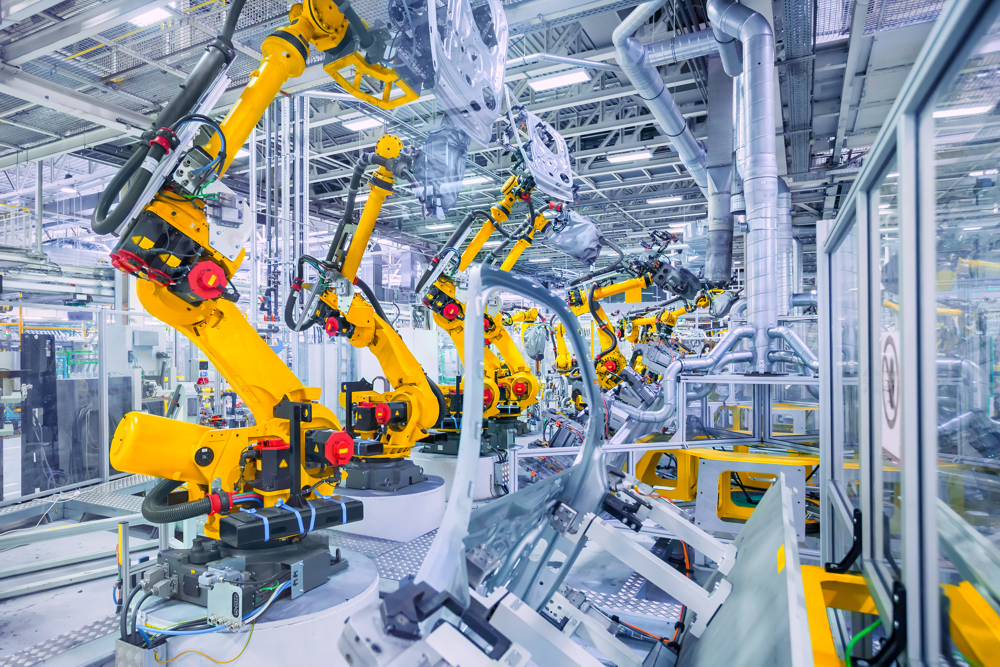
Inductive sensors in the automotive industry
In automotive plants, inductive sensors confirm the presence and position of metal parts: a workpiece in a fixture, a closed clamp, a pallet on a conveyor. This signal decides whether the station performs the next step, so repeatable switching and resistance to the conditions on the line are what count.
These conditions differ between departments. In machining and assembly the sensor is exposed to oil, grease and coolant, so sensors with a metal face are used there. In the welding shop there are also weld spatter and the electromagnetic fields of welding guns, for which inductive sensors for welding are intended. In grippers and tight fixtures, where space is short, miniature M4 and M5 sensors do the job.
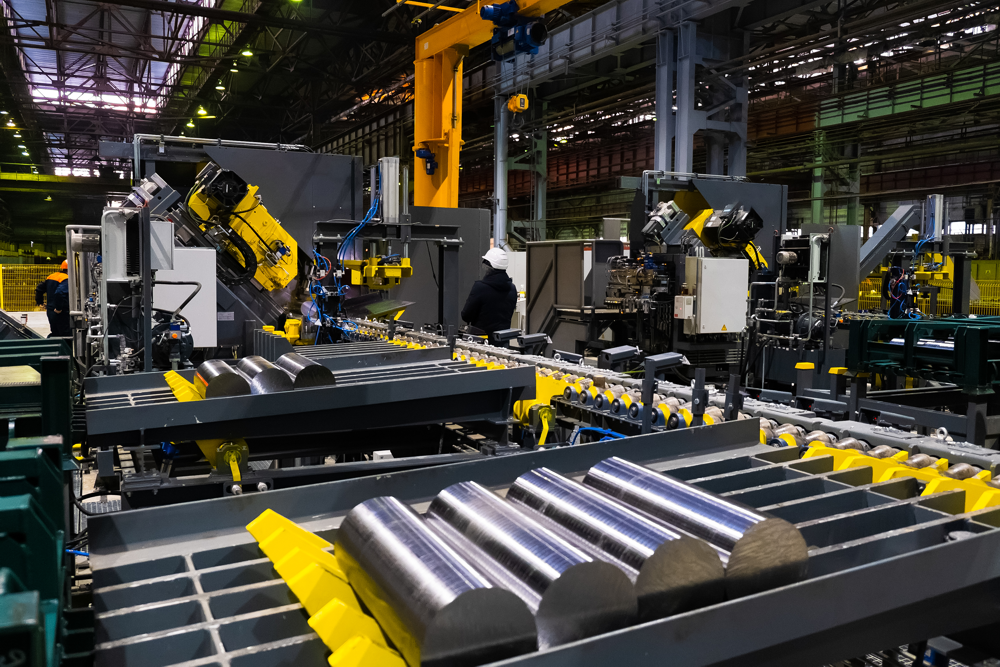
Inductive sensors in metallurgy and metalworking
In metalworking plants the sensor works among chips, dust, coolant and vibration, and its face is exposed to abrasion and impacts from swarf. That is why all-metal inductive sensors are used here: the stainless steel housing and face are resistant to shock, corrosion, coolants and lubricants.
Typical tasks include checking the position of the workpiece and tool in a machine tool, confirming that a chuck is closed or the position of a punch in a press. When machining aluminium and other non-ferrous metals, selective versions are useful: a sensor marked NF detects non-magnetic metals, while FE responds only to steel and cast iron.
The sensors have an IP67 protection rating and operate at ambient temperatures from -25 to +70°C, so they are mounted outside the zone directly affected by hot metal.

Inductive sensors in the food and beverage industry
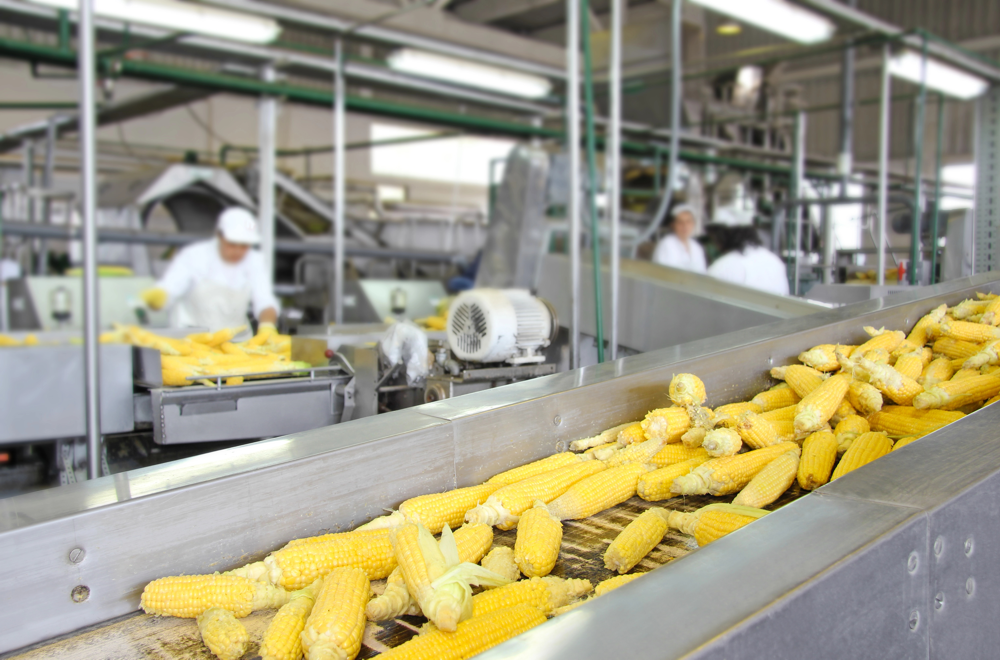
In food plants and bottling plants, inductive sensors work mainly in conveying and packaging: they count cans and metal caps, confirm the position of a mould, valve or machine guard, and monitor the movement of feeders. They detect metal, so they do not respond to packaging made of cardboard, glass or plastic.
The environment is humid and the machines are washed regularly. When choosing an inductive sensor for the food industry, it is worth going for an all-metal stainless steel version, resistant to corrosion, and checking the protection rating. Nexotec sensors are rated IP67, which means they are dust-tight and withstand temporary immersion in water. Washing with hot water under high pressure requires an IP69K rating, so the sensor is mounted outside the wash-down zone or under a cover. You can read more about selection in our article on inductive sensors in the food industry.
Inductive sensors in the chemical and pharmaceutical industry
In chemical and pharmaceutical installations, inductive sensors signal the position of valves and flaps, confirm that mixer lids and guards are closed, and monitor dosing units, tablet presses and packaging lines. Detection is contactless, so the sensor has no contact with the product.
Here durability depends on the housing material. For humid and corrosive environments there are sensors in stainless steel housings, including all-metal ones, in which the face is also made of steel. Resistance to a specific substance depends on its type and concentration, so when selecting a sensor it is worth stating what it will be in contact with.
Sensors in the Nexotec range are rated IP67 and are not intended for potentially explosive atmospheres, where ATEX-approved equipment is required.

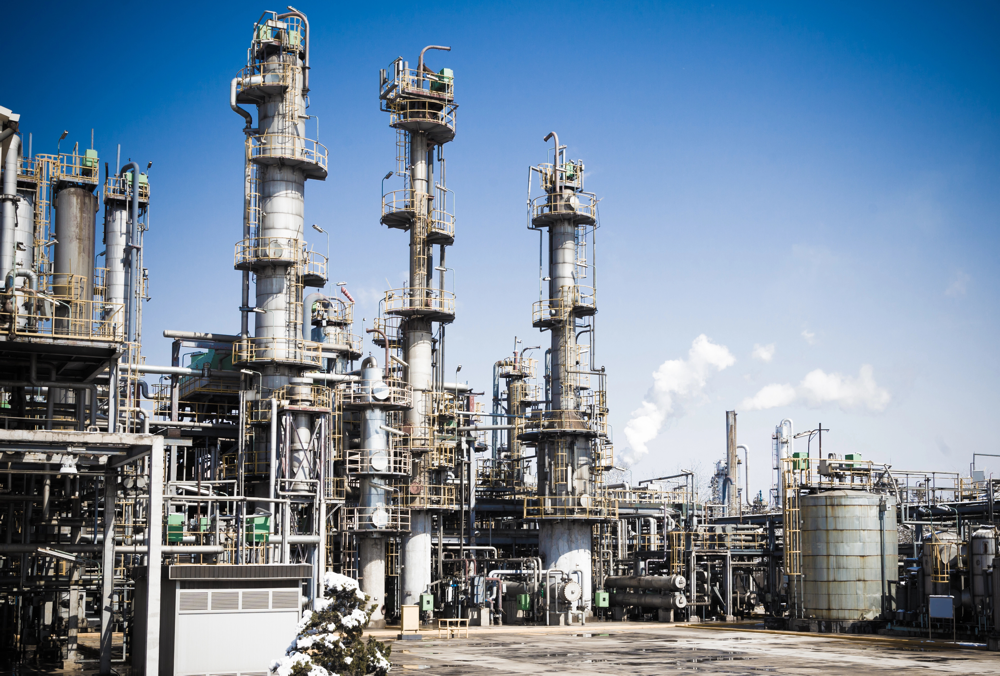
Inductive sensors for harsh conditions in heavy industry
In press shops, foundries, forges and steelworks, inductive sensors monitor the position of the press ram and tool, the presence of the workpiece in the die, the operation of feeders and conveyors, and the end positions of moving machine parts. They work in dust, under constant vibration and impacts.
Three things matter in such places. Housing: all-metal stainless steel sensors are resistant to shock and mechanical damage. Range: a larger size, for example M18 or M30 among inductive sensors in threaded housings, gives a longer sensing distance, so the sensor can be moved away from the moving part and kept clear of impacts. Sealing: the IP67 rating means complete protection against dust.
Applications of inductive sensors in industrial automation
In industrial automation, an inductive sensor is the simplest way for the controller to know where a metal machine part is. Main areas of application:
- End positions: confirming that a slide, guard, clamp or gripper has reached its set position.
- Part presence: checking that a part is in the nest, on the pallet or in the feeder before the machine performs the next step.
- Counting and rotation monitoring: counting gear teeth, bolts or markers on a shaft.
Four things need to be settled when selecting a sensor: size and sensing range, mounting (flush or non-flush), output type (PNP or NPN, NO or NC) and connection (cable or M8 or M12 connector). We explain the differences between outputs in the article PNP vs NPN, and the whole selection process step by step in the guide how to select an inductive sensor for your production requirements. Where space is limited, for example in grippers and small fixtures, miniature inductive sensors M4 and M5 are used.
Inductive sensors in construction and agricultural machinery
In excavators, loaders, lifts, combine harvesters and tillage machines, inductive sensors monitor the position of the boom, outriggers and attachments, confirm that a pin or hitch is locked, and count the revolutions of shafts and wheels. They work outdoors: in mud, dust, rain and under constant shock.
Three parameters on the product page tell you whether a sensor is suitable for such work. The IP67 rating means resistance to dust and temporary immersion in water. The ambient temperature range from -25 to +70°C covers work in winter and summer. A 10–30 V DC supply suits 12 V and 24 V systems. Where the sensor is exposed to impacts, it is better to choose an all-metal stainless steel version, and when the machine is cleaned with a pressure washer it is worth shielding the sensor.
Need help choosing a sensor?
The industries described differ in conditions, but the selection questions are always the same: what the sensor is to detect, from what distance, in what environment and how it will be connected. If you know the answers, you will find the right model in the inductive sensors category by filtering by size, sensing range, output and connection.
If you prefer to talk it through, write to us and give us these four details, and we will help you choose. We ship sensors from our warehouse in Poland and cover them with a 24-month warranty.