


Add products by adding codes


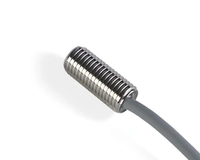


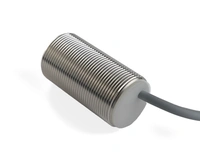
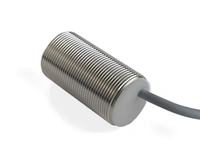


Inductive sensor M30 metal face 55 mm cable 2m NPN NC Sn = 13 mm FE
- ● M30 for demanding industrial environments
- ● Long version for open mounting areas
- ● Operating temperature -25 °C to +70 °C
- ● Ignores aluminum, brass, and other non-magnetic metals
- ● With cable, precise in demanding applications
Subscription products in your shopping cart
Set one delivery frequency for all subscription products in your cart every:
Subscription products in your shopping cart
The monolithic NMF30012-FE inductive sensor, housed in a full-metal body, is dedicated to checking the presence and position of steel components in modern industrial automation.
This M30 inductive sensor was developed for demanding industrial applications. The Ø30 x 55 mm format is designed for industrial applications where durability and reliability are key.
Technical specification:
- Diameter: M30, stable operation at long detection distances and under intensive use
- Length: 55 mm, better resistance to shocks, vibration, and mechanical stress
- Detection range: 13 mm, detection range depending on the diameter and design of the inductive sensor
- Detected materials: Steel and other ferrous metals (aluminium ignored), material selectivity allows aluminium, brass, copper and other non-ferrous metals present in the detection zone to be completely ignored
- Correction factor K: K = 1 for steel (full, natural sensing range), the actual detection range allows a model to be selected based on the specific distance to the steel part, regardless of the presence of aluminium in the surroundings
- Housing: Threaded, cylindrical housing with a mounting thread for standard industrial applications
- Housing material: Stainless steel, increased mechanical strength of the housing ensures a long service life
- Sensor face material: Stainless steel, high mechanical resistance to impact, abrasion, and damage
- Mounting: Non-flush mounting, fully exposed detection zone provides maximum sensing range
- Switching function: NC, output closed at rest ensures continuous signal monitoring
- Cable length: 2 m, cable sensors have a fixed, factory-made electrical connection to the installation
- Supply voltage: DC 10-30V, compatible with PLC systems and industrial automation
Applications
- Welding and resistance welding of steel structures – The FE inductive sensor is used at welding and resistance-welding stations, checking the presence and position of steel components regardless of aluminium tooling in the surroundings.
- Machining fixtures – The ferrous metal detector detects the presence of steel parts in machining fixtures with high repeatability.
- Robotic cells – The FE series detection device is used in robotic cells handling steel parts in continuous cycle operation.
- Positioning of steel components – The FE inductive sensor supports the positioning of steel components when the correct placement of the part is a precondition for the next operation.
- Applications with aluminium filings in the surroundings – The ferrous metal detector performs well in applications where aluminium filings are present near the steel part and should not affect the detection result.
Benefits/Features
- Detection of ferrous metals – the device performs well when checking components made of steel and other ferromagnetic materials, where aluminium present in the surroundings should not be treated as the actual part.
- Contactless detection of steel – the component can be detected without mechanical contact with its surface, while aluminium components in the surroundings are not the actual detection target.
- Material specialisation – the parameters have been selected for applications involving steel and ferrous metals, not for detecting aluminium contaminants.
- Fewer accidental signals – the lack of response to non-ferrous metals can be beneficial in applications where only the presence of the steel component matters.
- Detection without aluminium as the actual target – the solution is designed to check a single steel component, not to detect aluminium residue from machining.
When to choose this model
- For steel resistance welding – the part-presence sensor can check the correct position of steel components before the resistance welding process begins.
- When you need a natural K=1 – choose this model if it is important to use the full, rated detection range for steel, without additional correction factors.
- When aluminium filings are present in the surroundings – choose this model if aluminium filings present near a steel part should not trigger a detection signal.
- For automatic feeding of steel components – the material presence sensor will perform well when checking the passage of a part through a specific point in the machine.
The diameter of an inductive sensor is a dimension that defines the width of the sensor element measured in millimeters. This is an important technical parameter as it affects the mounting method and the space required for installation.
Rated detection range is a key parameter of an inductive sensor.Indicates the distance at which the sensor changes its output state when a metal object approaches its front end axially.This is the sensor's most important functional feature—it determines how close the object being detected must be in order to be registered.
This product is covered by a 24-month warranty from the date of purchase. Claims can be submitted via the complaint form in our shop. Your statutory rights are not affected by this warranty.