


Add products by adding codes
Add a CSV file
Enter the product codes that you want to add to the cart in bulk (after a comma, with a space or from a new line).
Repeating the code many times will add this item as many times as it appears.


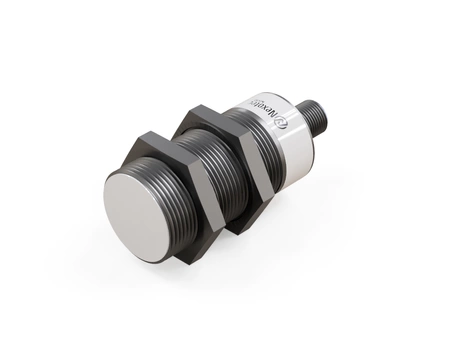


Inductive sensor M30 for welding process 79 mm connector M12 PNP NC Sn = 10 mm
Symbol:
NWI30104
Inductive sensor M30 for welding process 79 mm connector M12 PNP NC Sn = 10 mm
- NWI30104
Subscription products in your shopping cart
Set one delivery frequency for all subscription products in your cart every:
Subscription products in your shopping cart
Other information
Brand
Entity responsible for this product in the EU
Nexotec spółka z ograniczoną odpowiedzialnościąMore
ProducerNexotec spółka z ograniczoną odpowiedzialnościąAddress:
Marii Kuncewiczowej 3Postal code: 41-706City: Ruda ŚląskaCountry: PolandPhone number: +48 600 025 770E-mail: azakrzewski@nexotec.pl
Responsible entityNexotec spółka z ograniczoną odpowiedzialnościąAddress:
Marii Kuncewiczowej 3Postal code: 41-706City: Ruda ŚląskaCountry: PolandPhone number: 600025770E-mail: azakrzewski@nexotec.pl
Symbol
NWI30104
Producer code
5907367839456
Series
General information
DiameterMore
The diameter of an inductive sensor is a dimension that defines the width of the sensor element measured in millimeters. This is an important technical parameter as it affects the mounting method and the space required for installation.
M30
Switching distance
10 mm
Mounting
Mounting Flush
Output function
PNP
Switching function
NC
Electrical data
Operating voltage
DC 10-30V
No load current
<10mA
Max load current
200mA
Leakage current
<0.01mA
Repeat accuracy
<1.0%sr
Short-circuit protection
TAK
Overload trip point
220mA
Voltage drop
<1,5V
Ripple
<10%
Response time
0,5ms
Switching frequency
800Hz
Temperature drift
<10%sr
Switching hysteresis
<15%sr
Mechanical data
Housing shape
Threaded
Housing material
Brass with PTFE coating
Material active face
PTFE
LED display
TAK
Dimensions
Ø30 x 79 mm
Electrical connection
Connection type
Connector
Connector size
M12
Operating conditions
Protection category
IP67
Operating temperature min
-25℃
Operating temperature max
+70℃
Inne
Manufacturer's warranty for 2 years
The manufacturer guarantees repair or replacement of the equipment for up to 24 months from the date of purchase. Contact the store via the complaint form to order a courier who will collect the equipment from your home.
Not confirmed by purchase
Score: /5
Ask a question
Create a request for quotation
Opinions