


Add products by adding codes


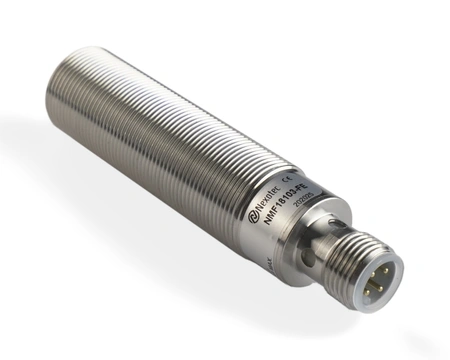


Inductive sensor M18 metal face 79 mm connector M12 PNP NO Sn = 5 mm FE
- ● High-quality M18, long-lasting construction
- ● For systems with bigger enclosures
- ● Typical range for stable detection
- ● Ignores non-ferrous metals, detects only iron
- ● With connector, operating temperature -25 °C to +70 °C
Subscription products in your shopping cart
Set one delivery frequency for all subscription products in your cart every:
Subscription products in your shopping cart
The professional NMF18103-FE inductive sensor performs well in demanding applications where precise detection of the actual steel part is essential.
The M18 sensor is part of a product range for applications in production systems. The M18 size guarantees mounting stability without taking up excessive space in the device's structure.
Technical specification:
- Diameter: M18, used in heavier industrial automation requiring high durability
- Length: 79 mm, suited for operation in demanding industrial conditions
- Detection range: 5 mm, wear resistance thanks to the non-contact metal detection method
- Detected materials: Steel and other ferrous metals (aluminium ignored), material selectivity allows aluminium, brass, copper and other non-ferrous metals present in the detection zone to be completely ignored
- Correction factor K: K = 1 for steel (full, natural sensing range), the full rated range for steel makes it easier to design applications without additional assumptions about range reduction
- Housing: Threaded, cylindrical housing with a mounting thread for standard industrial applications
- Housing material: Stainless steel, high resistance to corrosion and chemical exposure
- Sensor face material: Stainless steel, resistance to corrosion in humid and chemical environments
- Mounting: Flush mounting, the sensing face is flush with the mounting surface for a safe installation
- Switching function: NO, normally open resting state, consistent with standard operating logic
- Plug type: M12, the plug-in connection reduces the risk of installation errors
- Supply voltage: DC 10-30V, standard supply voltage range for industrial sensors
Applications
- Vehicle production – Applications of the FE inductive sensor include the detection of steel components in automated vehicle production systems.
- Robots welding steel structures – Applications of the FE proximity sensor include checking the presence of components in robots welding steel structures.
- Transport and sorting systems – The inductive sensor for ferrous metals performs well in transport and sorting systems for steel components.
- Checking before resistance welding on the production line – The use of the part-presence sensor before the resistance welding process allows verification that the steel component is in the correct place.
- Checking after machining – Applications of the FE proximity sensor include checking steel components after machining, even in an environment containing small aluminium fragments.
Benefits/Features
- Monolithic build – manufacture from a single piece of metal increases the durability of the solution designed for industrial detection of steel and other ferrous metals.
- Stable checking of the actual component – detection focused on steel allows the solution's operation to be better matched to applications in a mixed-metal environment containing non-ferrous metals.
- Distance checking to the part – can be used to check the position of a steel surface relative to the sensing element.
- K=1 + resistance to aluminium – combining the natural K=1 correction factor for steel with total insensitivity to aluminium is an important parameter when designing mixed-metal applications.
- Steel + ferrous metals + K=1 – the combination of material specialisation and full, natural range is an important advantage when designing applications.
When to choose this model
- For steel stamping – it is worth using it to check the presence of a steel sheet, part or component before starting the stamping cycle.
- When installation space is limited – the full, natural range for steel can make it easier to design a compact detection layout.
- When aluminium contamination is present at the station – the steel detection sensor can be used to check the actual part without risk of false triggering from aluminium.
- For robotising steel processes – the part-detection sensor can provide the automation system with information about the presence or position of the steel part.
The diameter of an inductive sensor is a dimension that defines the width of the sensor element measured in millimeters. This is an important technical parameter as it affects the mounting method and the space required for installation.
Rated detection range is a key parameter of an inductive sensor.Indicates the distance at which the sensor changes its output state when a metal object approaches its front end axially.This is the sensor's most important functional feature—it determines how close the object being detected must be in order to be registered.
This product is covered by a 24-month warranty from the date of purchase. Claims can be submitted via the complaint form in our shop. Your statutory rights are not affected by this warranty.